Alocasia Cucullata Variegated: The Unique and Elegant Houseplant
Alocasia Cucullata Variegated is a popular houseplant among plant enthusiasts. It belongs to the Araceae family and is native to Southeast Asia. Its unique variegated leaves with shades of green, white, and yellow make it an elegant addition to any household. In this blog post, we will dive deep into the world of Alocasia Cucullata Variegated and explore everything you need to know about growing and caring for this beautiful plant.
15 Sections
1. Origins and History
Alocasia Cucullata Variegated has a rich history dating back to ancient times when it was used in medicinal practices by indigenous people. Nowadays, it is widely known as a decorative indoor plant with stunning foliage. This plant has its origins in tropical regions of Southeast Asia where it grows naturally in the rainforest.
2. Physical Characteristics
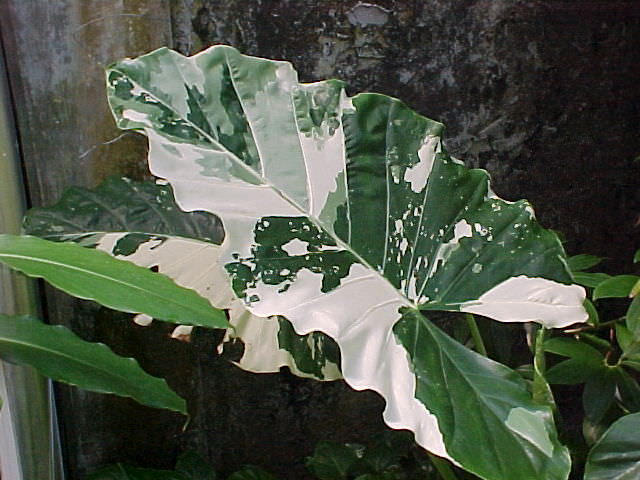
The Alocasia Cucullata Variegated has shiny, heart-shaped leaves that are approximately 10-12 inches long and 8-10 inches wide. The variegated leaves have a combination of green, white, and yellow patterns that make them unique and visually appealing. The stems are thick and sturdy, and can grow up to 3 feet in height.
3. Lighting Requirements
Alocasia Cucullata Variegated does well in bright but indirect light. Exposure to too much direct sunlight can cause the leaves to scorch and turn brown. This plant thrives in a warm and humid environment, so it's best to keep it away from cold drafts and air conditioning vents.
4. Watering Needs
This plant prefers consistently moist soil, but not waterlogged. Overwatering can lead to root rot and other fungal diseases. It's recommended to water the plant once a week or when the top inch of soil feels dry to the touch. During the winter months, it's best to reduce watering frequency.
5. Soil Requirements
Alocasia Cucullata Variegated prefers well-draining soil that is rich in organic matter. A mixture of peat moss, perlite, and coco coir is ideal for this plant. Avoid using heavy soils that retain too much moisture as this can cause root rot.
6. Fertilization
This plant benefits from regular fertilization during the growing season (spring and summer). Use a balanced fertilizer every 2-3 weeks to promote healthy growth and vibrant foliage. During the winter months, reduce fertilization frequency.
7. Repotting
Alocasia Cucullata Variegated should be repotted every 1-2 years to prevent overcrowding and to replenish nutrients in the soil. It's best to repot during the spring when the plant is actively growing. Use a slightly larger pot with fresh soil and make sure to loosen any tangled roots before planting.
8. Propagation
Propagation of Alocasia Cucullata Variegated can be through division or stem cuttings. Division involves separating the plant into smaller sections and replanting them in fresh soil. Stem cuttings involve taking a cutting from the parent plant and rooting it in water or soil.
9. Common Pests and Diseases
The Alocasia Cucullata Variegated is susceptible to pests such as spider mites, mealybugs, and aphids. These pests can be controlled using insecticidal soap or neem oil. Overwatering can lead to root rot and other fungal diseases. Make sure to provide adequate drainage and avoid overwatering.
10. Toxicity
Like many other plants in the Araceae family, Alocasia Cucullata Variegated is toxic to cats, dogs, and humans. The plant contains calcium oxalate crystals that can cause skin irritation, swelling, and gastrointestinal distress if ingested.
11. Varieties
Alocasia Cucullata Variegated has several varieties including Alocasia Cucullata 'Green Shield', Alocasia Cucullata 'Yellow Tail', and Alocasia Cucullata 'Variegated'. Each variety has its unique features and characteristics.
12. Aesthetics and Decorative Uses
The Alocasia Cucullata Variegated is an elegant plant that adds beauty and sophistication to any room. Its large variegated leaves make it a statement piece in any indoor space. It pairs well with minimalist decor and bright spaces.
13. Maintenance and Care Tips
To maintain the health and beauty of your Alocasia Cucullata Variegated, make sure to provide adequate lighting, watering, and fertilization. Check the plant regularly for pests and diseases and treat them promptly. Repot the plant every 1-2 years to prevent overcrowding and replenish soil nutrients.
14. Where to Buy
Alocasia Cucullata Variegated can be purchased from local nurseries or online plant stores. Make sure to buy from reputable sellers and check reviews before making a purchase.
15.
Alocasia Cucullata Variegated is a stunning indoor plant with unique variegated leaves that add elegance and sophistication to any room. To grow and care for this plant successfully, make sure to provide adequate lighting, watering, and fertilization. Check the plant regularly for pests and diseases and treat them promptly. With proper care and attention, your Alocasia Cucullata Variegated will thrive and become a cherished addition to your household.
Frequently Asked Questions
1. Is Alocasia Cucullata Variegated easy to care for?
Yes, Alocasia Cucullata Variegated is relatively easy to care for as long as you provide it with adequate lighting, watering, and fertilization.
2. Can Alocasia Cucullata Variegated grow in low light conditions?
No, Alocasia Cucullata Variegated requires bright but indirect light to thrive. Low light conditions can cause the leaves to wilt and turn brown.
3. How often should I water my Alocasia Cucullata Variegated plant?
It's recommended to water your Alocasia Cucullata Variegated once a week or when the top inch of soil feels dry to the touch.
4. How do I propagate my Alocasia Cucullata Variegated plant?
Propagation can be through division or stem cuttings. Division involves separating the plant into smaller sections and replanting them in fresh soil. Stem cuttings involve taking a cutting from the parent plant and rooting it in water or soil.
5. What are the common pests and diseases that affect Alocasia Cucullata Variegated?
Alocasia Cucullata Variegated is susceptible to pests such as spider mites, mealybugs, and aphids. Overwatering can lead to root rot and other fungal diseases.
6. Is Alocasia Cucullata Variegated toxic to pets?
Yes, Alocasia Cucullata Variegated is toxic to cats, dogs, and humans. The plant contains calcium oxalate crystals that can cause skin irritation, swelling, and gastrointestinal distress if ingested.
7. What kind of soil does Alocasia Cucullata Variegated prefer?
Alocasia Cucullata Variegated prefers well-draining soil that is rich in organic matter. A mixture of peat moss, perlite, and coco coir is ideal for this plant.
8. How often should I fertilize my Alocasia Cucullata Variegated plant?
This plant benefits from regular fertilization during the growing season (spring and summer). Use a balanced fertilizer every 2-3 weeks to promote healthy growth and vibrant foliage.
9. What kind of pot should I use for my Alocasia Cucullata Variegated plant?
Use a slightly larger pot with fresh soil when repotting your Alocasia Cucullata Variegated plant. Make sure to choose a pot with adequate drainage holes to prevent waterlogging.
10. Where can I buy Alocasia Cucullata Variegated plants?
Alocasia Cucullata Variegated can be purchased from local nurseries or online plant stores. Make sure to buy from reputable sellers and check reviews before making a purchase.
11 Alocasia cucullata variegated Images

Alocasia Cucullata Nel 2020 Con Immagini Piante Da Appartamento

Nursery OPEN July 4th And 5th 2014 Exotica Tropicals Tropical

Alocasia Cucullata Plants House Plants Landscape

Aroidia Research Aroid Araceae Alocasia Philodendron Caladium

Planteguide Alocasia Cucullata Made By Malle

29 Best FL Elephant Ears And Large Leaf Plants Images On Pinterest
1000 Images About ALOCASIA Plants On Pinterest Persian Alocasia

Pin By Russ On Plants Goth Garden Plants Garden

Alocasia Cucullata Alpinia Purpurata Alpinia Zerumbet Dracaena

Alocasia Odora 7cm Turn It Tropical Elephant Ear Plant Alocasia

Pin On Alocasia
Post a Comment for "Alocasia Cucullata Variegated: The Unique and Elegant Houseplant"